Vitamin A Palmitate
The Vision & Immunity Vitamin
A stable, fat-soluble form of vitamin A, clinically recognised for its essential role in vision, immunity, skin health, and maintaining cell functions.
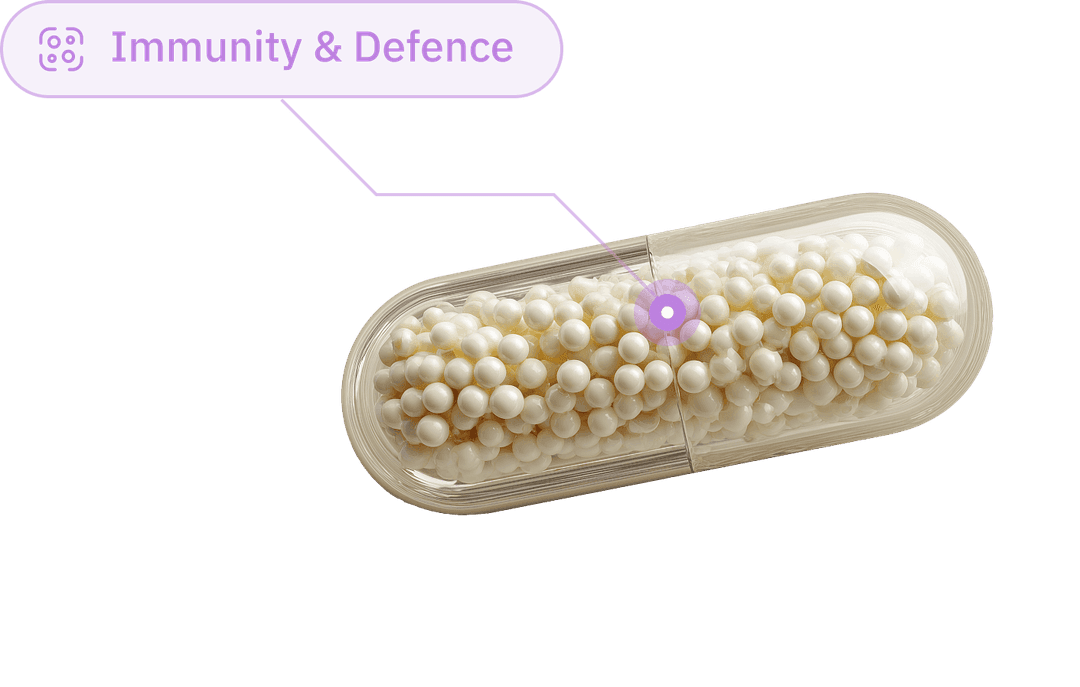
What is Vitamin A Palmitate Good For?
Vitamin A is a crucial micronutrient involved in multiple biological processes from healthy eyesight to immune defence. The palmitate ester is more stable and bioavailable than retinol alone, making it the preferred form for supplements and fortified foods.
Vitamin A Palmitate supplementation may lead to:
- Maintenance of normal vision (especially night vision) in people at risk of vitamin A deficiency
- Improved clinical outcomes during viral infections (e.g human papilloma virus and measles)
- Lowered facial ageing
- Improved health outcomes during pregnancy and lactation according to World Health Organisation (WHO)
- Maintaining cell functions for growth and epithelial integrity

What is Vitamin A?
Vitamin A is a group of fat-soluble retinoids, including retinol, retinal, and retinyl esters. It plays a central role in improving vision, immune system, and epithelial tissue maintenance.
Vitamin A Palmitate is a storage form of vitamin A (retinyl palmitate) that is highly stable and easily converted into active retinol within the body.

What is the Recommended Daily Dose of Vitamin A Palmitate?
The EU NRV (Nutrient Reference Value) for vitamin A is 800 µg RE (Retinol Equivalents) per day, sufficient to maintain vision, immune system, and skin health.

Things to Know

Source
Retinyl palmitate (synthetic or from animal sources such as fish liver oil)

Technology
Esterified form of retinol for enhanced stability and shelf-life

Region
Globally recognised essential vitamin with established NRVs

Data
Supported by EFSA and WHO for critical roles in immunity, vision, and growth
Vitamin A Palmitate in Detail
800 µg RE (EU NRV)
Retinyl palmitate (vitamin A ester)
Stable esterified form of retinol with excellent bioavailability
- Contributes to normal vision and eye health
- Supports immune system defence
- Maintains skin integrity
- Essential for growth and epithelial integrity
- Plays a role in reproductive health and development
Long-established essential vitamin, validated by global health authorities
Your Questions About Vitamin A Palmitate
What is Vitamin A Palmitate?
keyboard_arrow_downWhat are the benefits of Vitamin A Palmitate?
keyboard_arrow_downHow is Vitamin A Palmitate different from beta-carotene?
keyboard_arrow_downAre there any side effects of Vitamin A Palmitate?
keyboard_arrow_downCan Vitamin A Palmitate be combined with other vitamins?
keyboard_arrow_downDiscover your formula of ingredients
No two people are the same. That’s why your formula is uniquely yours. We select the most effective ingredients based on your health data, lifestyle, and goals — ensuring your capsules are both efficient and safe.
References
The Science That Supports Us
Cognitive and Neurological Support
Fu, P.P. et al. (2007) ‘Physiological role of retinyl palmitate in the skin’, Vitamins & Hormones, pp. 223–256. doi:10.1016/s0083-6729(06)75009-9.
Mental Health
Imdad, A. et al. (2022) ‘Vitamin A supplementation for preventing morbidity and mortality in children from six months to five years of age’, Cochrane Database of Systematic Reviews, 2025(4). doi:10.1002/14651858.cd008524.pub4.
Nerve Repair
Sinopoli, A. et al. (2022) ‘What are the effects of vitamin A oral supplementation in the prevention and management of viral infections? A systematic review of randomized clinical trials’, Nutrients, 14(19), p. 4081. doi:10.3390/nu14194081.
Immune System Support
Vitamin A deficiency (no date) World Health Organization. Available at: https://www.who.int/data/nutrition/nlis/info/vitamin-a-deficiency (Accessed: 30 September 2025).