

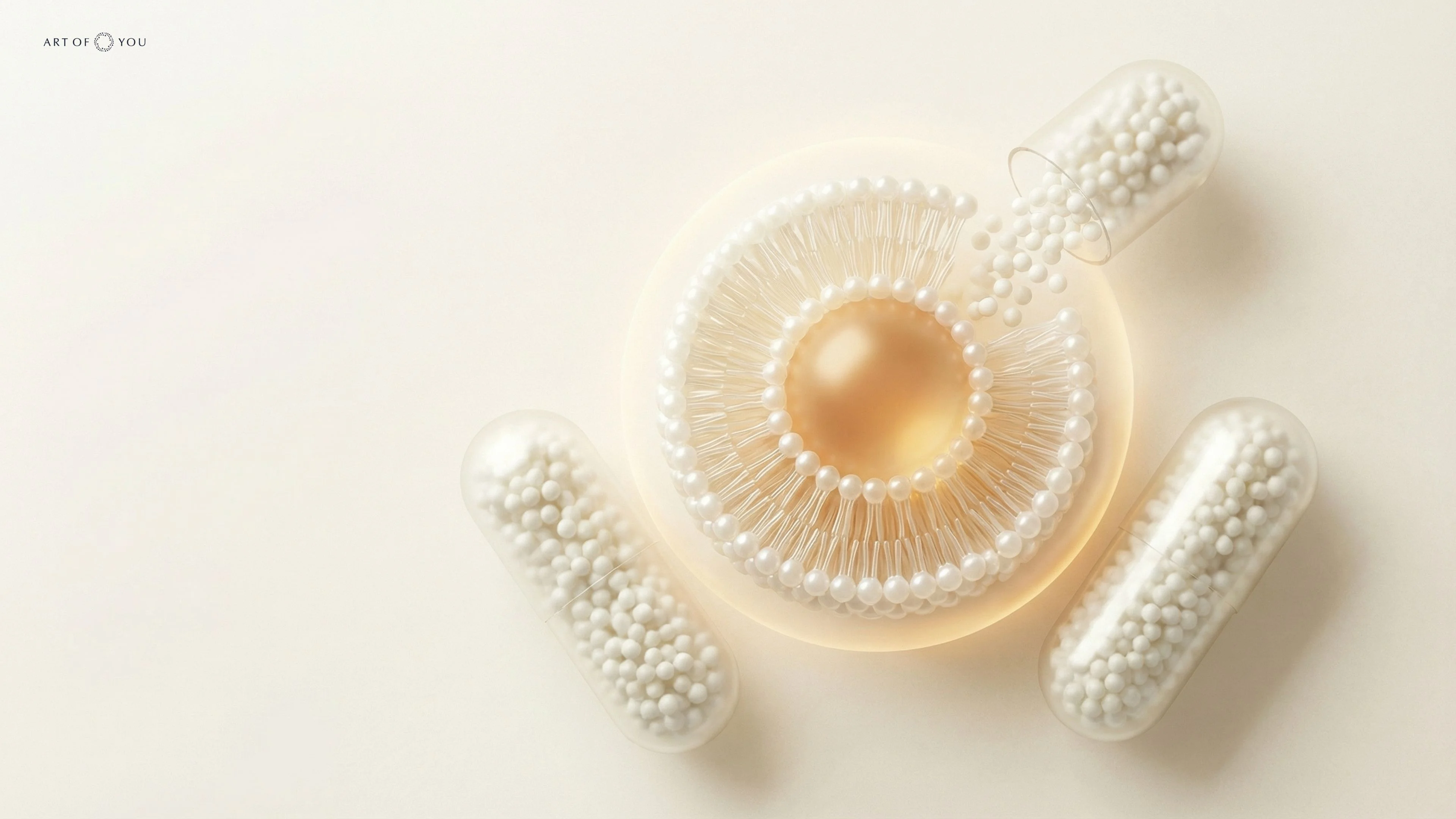
Your body produces glutathione in every single cell. It is the most abundant antioxidant in human biology — a small tripeptide molecule that neutralizes free radicals, supports liver detoxification, and helps maintain the health of your immune cells. Yet for all its importance, glutathione has a problem: get it from a standard supplement capsule and most of it never reaches your cells. The science of liposomal glutathione benefits is really the science of solving that delivery problem.
Research published in the European Journal of Clinical Nutrition found that liposomal glutathione at 500 mg per day raised whole blood glutathione levels by up to 40% within two weeks — something that standard oral glutathione consistently fails to replicate at equivalent doses. The difference is not the molecule. It is everything that happens between the capsule and the cell.
This article walks through what glutathione actually does in the body, why oral bioavailability is the central challenge, and how liposomal delivery addresses that challenge with evidence behind it.
What is glutathione?
Glutathione (chemical name: gamma-L-glutamyl-L-cysteinyl-glycine, often abbreviated GSH) is a tripeptide — three amino acids linked together: glutamate, cysteine, and glycine. Your liver produces it endogenously, but virtually every cell in your body synthesizes its own supply. It exists in two forms: the active, reduced form (GSH) and the oxidized form (GSSG). The ratio of GSH to GSSG inside a cell is one of the most reliable indicators of that cell's oxidative health.
Glutathione plays three core biochemical roles:
- Direct antioxidant: It donates electrons to neutralize reactive oxygen species (ROS), converting them into harmless molecules
- Cofactor for antioxidant enzymes: Glutathione peroxidase and glutathione reductase depend on GSH to function
- Detoxification conjugate: In Phase 2 liver detoxification, glutathione binds to toxins, heavy metals, and pharmaceutical metabolites, making them water-soluble for excretion
This breadth of function is why researchers refer to glutathione as the body's "master antioxidant." It also recycles other antioxidants — including Vitamin C and Vitamin E — back into their active forms after they have been oxidized.
The bioavailability problem with standard oral glutathione
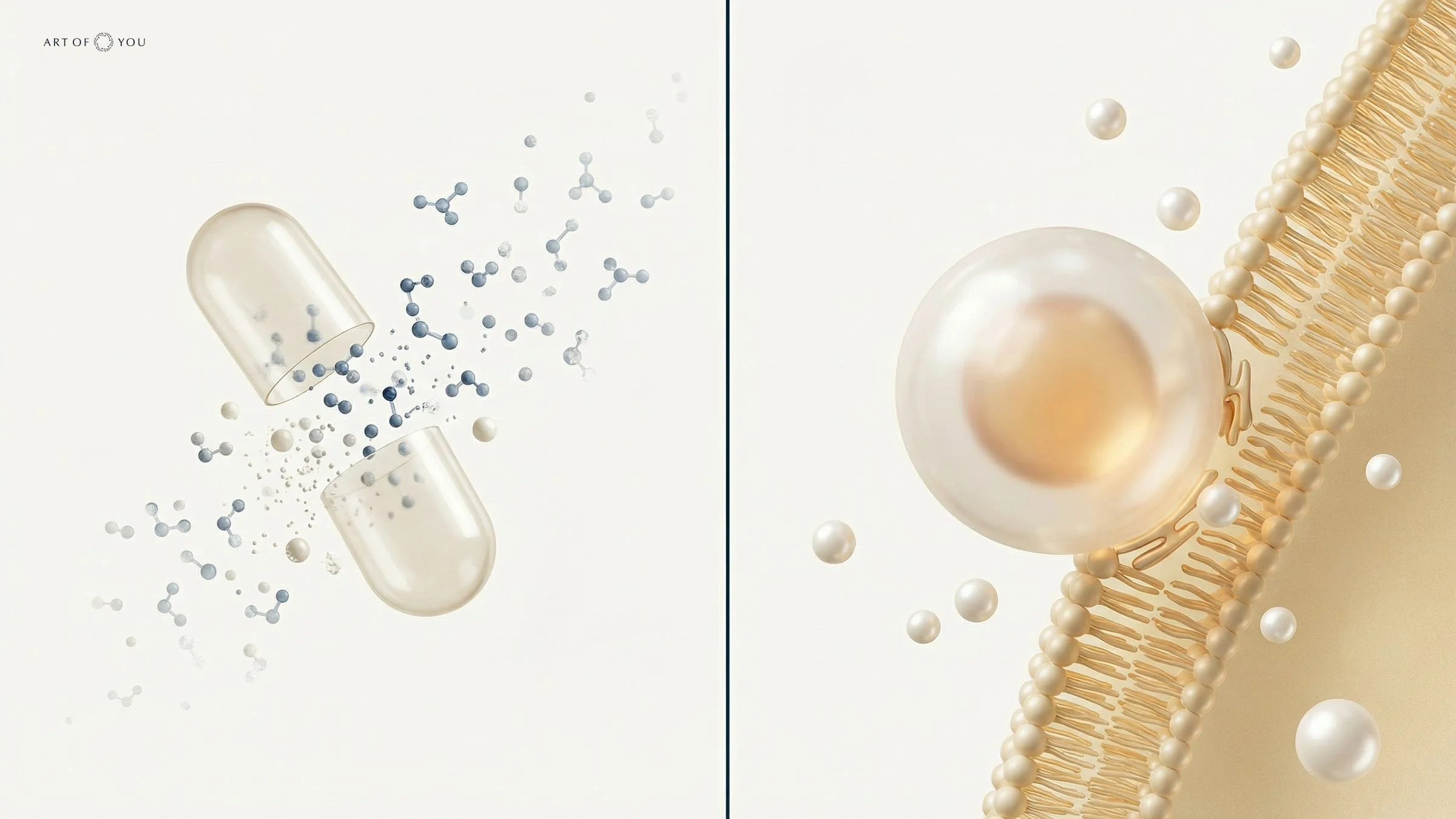
Here is the core challenge. Glutathione is a peptide. When you swallow a standard glutathione capsule, your digestive system does what it is designed to do: it breaks peptides apart into their constituent amino acids. Proteases in the stomach and small intestine cleave the bonds between glutamate, cysteine, and glycine before a meaningful amount of intact GSH can cross the intestinal wall.
Studies measuring plasma glutathione after standard oral supplementation consistently show that bioavailability is poor. Some estimates suggest as little as 16% of an oral dose reaches systemic circulation in intact form. The body then has to reassemble the tripeptide intracellularly from the absorbed amino acids — an indirect and rate-limited process.
This is why N-Acetyl Cysteine (NAC) — a more stable, acetylated form of cysteine — became a popular alternative route. NAC survives digestion intact, is absorbed efficiently, and provides the rate-limiting amino acid precursor that the body needs to synthesize glutathione. NAC is a well-established glutathione precursor and is included in our full ingredient list as a complementary compound alongside liposomal glutathione itself.
But NAC is indirect. Liposomal delivery offers a direct solution.
What is liposomal delivery and why does it matter?
Liposomes are spherical vesicles made from phospholipids — the same type of molecule that forms every cell membrane in your body. A liposome has a bilayer structure: an outer hydrophilic (water-loving) shell and an inner hydrophobic (fat-loving) core. This structure allows it to encapsulate both water-soluble and fat-soluble compounds.
When glutathione is encapsulated inside a liposome, several things change:
- Protection from digestion: The phospholipid bilayer shields the GSH molecule from proteolytic enzymes in the gut, allowing it to reach the intestinal wall intact
- Enhanced absorption: Liposomes are taken up by intestinal cells (enterocytes) via endocytosis — a process that bypasses the standard peptide transport system
- Cell membrane fusion: Because liposomes share the same phospholipid chemistry as cell membranes, they can merge directly with target cells and release their payload intracellularly
The result is a delivery system that mirrors your own cell membranes — a molecular Trojan horse that escorts glutathione past every barrier that defeats the standard supplement form.
Liposomal vs standard glutathione vs IV: a delivery comparison
Understanding the practical difference between delivery forms requires looking at the data side by side.
| Delivery Form | Estimated Bioavailability | Key Mechanism | Practicality |
|---|---|---|---|
| Standard oral glutathione | Low (~16% intact absorption) | Peptide digestion degrades most of the dose | Convenient; low cost; limited cellular impact |
| Liposomal oral glutathione | Significantly higher than standard | Phospholipid encapsulation protects GSH; endocytosis delivery | Convenient; pharmaceutical-grade formulations available |
| NAC (glutathione precursor) | High absorption; indirect effect | Provides cysteine; body synthesizes GSH endogenously | Convenient; reliable indirect elevation of GSH |
| IV glutathione | 100% bioavailability | Bypasses digestion entirely | Clinical setting only; not practical for daily use |
The 2024 human pharmacokinetic study on liposomal glutathione (LipoDuo) found that liposomal formulation achieved peak plasma concentrations approximately 6 times higher than plain glutathione, maintaining measurable plasma levels at 24 hours post-dose. Cellular uptake studies from the same research showed approximately 1.9-fold higher intracellular delivery compared to non-liposomal forms.
Liposomal glutathione benefits: what the research shows
With delivery solved, what does the evidence say about outcomes?
Oxidative stress reduction
The landmark pilot study published in the European Journal of Clinical Nutrition (Richie et al., 2015) enrolled healthy adults taking 500 mg or 1,000 mg of liposomal GSH daily for four weeks. Alongside the 40% increase in whole blood glutathione and 28% increase in plasma GSH, researchers observed a 35% reduction in plasma 8-isoprostane — a validated biomarker of lipid peroxidation and oxidative stress. The oxidized-to-reduced GSH ratio also improved by approximately 20%, indicating that cellular redox balance shifted measurably toward the protective state.
Immune function support
The same study found significant immune function changes. Natural killer (NK) cell cytotoxicity — the ability of immune cells to identify and destroy compromised cells — increased by up to 400% after two weeks of liposomal GSH supplementation. Lymphocyte proliferation rose by up to 60%. These findings are consistent with glutathione's known role in immune cell function: T cells, B cells, and NK cells all depend on adequate intracellular GSH to maintain their activity.
A subsequent study published in Frontiers in Cellular and Infection Microbiology (2021) examined liposomal glutathione in individuals with Type 2 diabetes, finding improvements in immune responses related to mycobacterial defense — further evidence that glutathione status meaningfully affects immune competence.
Liver detoxification support
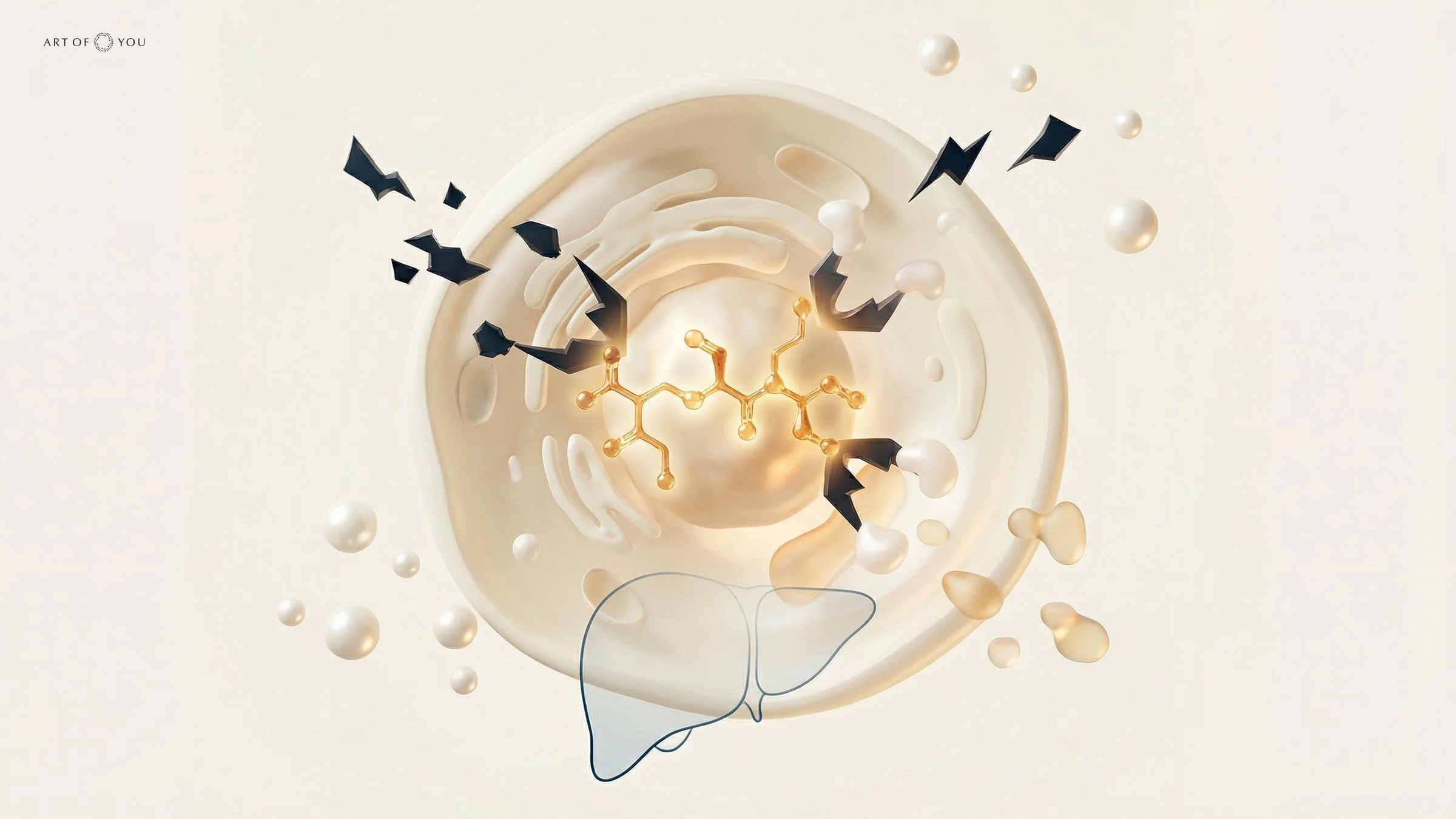
Glutathione is the primary substrate for Phase 2 hepatic detoxification. The liver conjugates glutathione to toxins, reactive drug metabolites, heavy metals (including mercury and arsenic), and environmental pollutants, rendering them water-soluble and directing them toward biliary or urinary excretion. When hepatic GSH stores are depleted — by alcohol, paracetamol (acetaminophen) overdose, or chronic toxic exposure — liver cell damage accelerates. Maintaining adequate glutathione levels contributes to the liver's ongoing ability to carry out this protective work.
Skin health and antioxidant protection
Glutathione has attracted significant interest for glutathione skin benefits. Its antimelanogenic properties — specifically, its ability to inhibit tyrosinase, the enzyme responsible for melanin synthesis — have been documented across multiple clinical trials. A systematic review in the International Journal of Dermatology (2025) assessed oral glutathione supplementation for skin lightening and found that 500 mg/day oral glutathione produced measurable reductions in melanin index in sun-exposed areas, alongside improvements in skin elasticity.
Beyond pigmentation, the antioxidant role is the more fundamental skin benefit: UV radiation and environmental pollution generate oxidative stress in skin cells, and glutathione is one of the primary intracellular defenses against this damage. Higher cellular GSH levels support skin cell longevity and the integrity of structural proteins.
Cellular repair and mitochondrial support
Mitochondria are the primary site of reactive oxygen species generation in the cell — and they maintain their own dedicated pool of glutathione (mitochondrial GSH, or mGSH) that is distinct from the cytoplasmic supply. Mitochondrial GSH is critical for protecting the electron transport chain from oxidative self-damage. Declining mGSH is implicated in age-related mitochondrial dysfunction and the accumulation of cellular damage that characterizes biological aging.
Who depletes glutathione fastest?
Your body synthesizes glutathione continuously, but synthesis rate declines with age and is accelerated by several modern lifestyle factors:
- Age: Studies show GSH synthesis rates in older adults are approximately 30% lower than in younger cohorts, due in part to reduced availability of the precursor amino acids cysteine, glutamate, and glycine
- Chronic stress: Cortisol and the oxidative burden of chronic psychological stress deplete GSH reserves
- Alcohol consumption: Ethanol metabolism is highly GSH-intensive — acute alcohol intake can deplete hepatic glutathione by more than 50%
- Environmental toxin exposure: Air pollution, heavy metals, pesticides, and persistent organic pollutants all consume glutathione via conjugation
- Intense or prolonged exercise: Strenuous exercise generates significant oxidative stress; without adequate recovery nutrition, this can outpace GSH resynthesis
- Poor diet: Glutathione precursor amino acids (particularly cysteine) must come from dietary protein; low-protein or highly processed diets reduce synthesis substrate availability
For anyone in these categories — and the overlap is common among the 30-50 age group — the body's endogenous production alone may not keep pace with demand.
The NAC and glutathione relationship
N-Acetyl Cysteine (NAC) and glutathione work through complementary mechanisms, which is why the science behind our formula includes both in the Art of You stack.
NAC provides L-cysteine — the rate-limiting amino acid in glutathione synthesis. The body cannot make cysteine in adequate amounts endogenously; it must come from diet or supplementation. By supplying cysteine in a stable, bioavailable form, NAC effectively raises the ceiling on your body's own GSH production.
Liposomal glutathione, by contrast, delivers preformed GSH directly to cells — bypassing the synthesis step entirely. The two approaches are additive: NAC supports endogenous synthesis while liposomal glutathione tops up circulating and intracellular levels directly.
A 2018 study in athletes found that NAC supplementation for four weeks raised glutathione blood levels, reduced markers of oxidative stress, and restored exercise performance in individuals who had been showing signs of oxidative fatigue. When combined with a direct liposomal source, the support across both synthesis and direct delivery pathways becomes more comprehensive.
Key takeaways
- The delivery form determines the outcome. Standard oral glutathione has poor bioavailability because digestive enzymes break it down before absorption. Liposomal encapsulation protects the molecule and delivers it via a cell membrane-compatible pathway
- Clinical evidence supports meaningful increases in glutathione status. Liposomal GSH has been shown to raise whole blood glutathione by up to 40% and plasma by up to 28% within two weeks at 500 mg daily
- The benefits extend beyond antioxidant activity. Research documents improvements in oxidative stress biomarkers, immune cell function (NK cytotoxicity up to 400%), liver detoxification capacity, and skin health markers
- NAC and liposomal glutathione are complementary, not interchangeable. NAC elevates glutathione through precursor supply; liposomal glutathione delivers the active molecule directly — both are included in the Art of You formula for this reason
- Depletion is accelerated by age, alcohol, stress, and environmental exposure. If your lifestyle intersects with any of these factors, your baseline GSH levels may be meaningfully lower than optimal. You can explore how your personal profile relates to antioxidant status through the personalization quiz
Sources: Richie et al., European Journal of Clinical Nutrition (2015), Oral supplementation with liposomal glutathione elevates body stores — PMC, Liposomal glutathione outperforms plain glutathione — PubMed 2024, Oral delivery of glutathione: barriers and strategies — ScienceOpen, Glutathione as skin-lightening agent — Int J Dermatology 2025, Frontiers in Cellular and Infection Microbiology (2021), NAC review — PMC, Deficient GSH synthesis in aging — PMC
Art of You products are food supplements and are not intended to diagnose, treat, cure, or prevent any disease.
FAQ
What is liposomal glutathione? Liposomal glutathione is a form of the antioxidant tripeptide GSH encapsulated within phospholipid vesicles called liposomes. The liposomal shell protects the glutathione molecule from digestive breakdown and facilitates direct delivery into cells via endocytosis and membrane fusion — dramatically improving on the poor bioavailability of standard oral glutathione supplements.
What does glutathione do in the body? Glutathione is the body's most abundant endogenous antioxidant. It neutralizes reactive oxygen species (free radicals), supports Phase 2 detoxification in the liver by conjugating toxins for excretion, recycles other antioxidants including Vitamins C and E, and plays a central role in immune cell function. It is produced in every cell, with the liver maintaining the largest systemic pool.
What are the liposomal glutathione benefits compared to regular forms? The key difference is bioavailability. Standard oral glutathione is largely broken down by digestive enzymes before it can be absorbed intact. Liposomal formulations protect the molecule through the GI tract and deliver it via a cell membrane-compatible mechanism. Clinical data shows liposomal forms achieve meaningfully higher blood and cellular glutathione levels than equivalent doses of standard oral glutathione.
Who should consider liposomal glutathione? People whose lifestyle accelerates glutathione depletion tend to benefit most: those over 35 (when endogenous synthesis naturally declines), regular alcohol consumers, individuals in high-stress environments, those with significant environmental toxin exposure, and people doing intense regular exercise. Athletes and biohackers tracking oxidative load may also find glutathione status a meaningful biomarker to support.
What is the difference between liposomal glutathione and NAC? NAC (N-Acetyl Cysteine) is a glutathione precursor — it provides cysteine, the rate-limiting amino acid your body needs to synthesize GSH endogenously. Liposomal glutathione delivers the finished, active GSH molecule directly. They address different parts of the same system: NAC raises your ceiling for endogenous production; liposomal glutathione tops up circulating levels directly. Both are included in the Art of You formula because the two mechanisms are complementary.
Is glutathione good for skin? Research supports several skin-related benefits. Glutathione inhibits tyrosinase, an enzyme involved in melanin synthesis, and clinical trials have documented reductions in melanin index in sun-exposed skin with oral supplementation. Beyond skin tone, glutathione's antioxidant role protects skin cells from UV-induced and pollution-related oxidative damage, and studies have shown improvements in skin elasticity alongside supplementation.
How quickly does liposomal glutathione raise glutathione levels? The clinical study by Richie et al. found that glutathione levels began rising within one week of daily liposomal supplementation at 500 mg, with maximum increases (40% in whole blood, 100% in peripheral blood mononuclear cells) observed after two weeks. The rate of increase depends on baseline glutathione status, dose, formulation quality, and individual factors including age and diet.
Is liposomal glutathione in the Art of You formula? Yes. Art of You includes pharmaceutical-grade liposomal glutathione as part of its personalized supplement formula, alongside NAC as a complementary glutathione precursor. The combination supports both direct cellular delivery and endogenous synthesis. You can explore the full formulation at our ingredients page or take the personalization quiz to understand how your individual profile informs your supplement stack.
What does the oxidized:reduced glutathione ratio mean? This ratio (GSSG:GSH) is a key measure of intracellular redox status. A higher ratio (more oxidized glutathione) indicates greater oxidative stress and reduced protective capacity. The Richie et al. liposomal glutathione study found a 20% improvement in this ratio after supplementation — meaning more of the glutathione present was in the active, reduced form capable of neutralizing free radicals.
Can glutathione be taken long-term? Clinical studies to date show no significant adverse effects from oral liposomal glutathione supplementation over the periods studied (up to four weeks in controlled trials, with longer observational use in clinical settings). As with any supplement, the context of your full nutritional profile matters. Art of You's approach is to personalize formulation to your biomarkers rather than apply a generic dose — so your glutathione inclusion and level is tailored to what your individual assessment indicates.